
Spanish Steps & Piazza di Spagna
- piazza
- Price: Free
- Opening hours: Always open
Book a guided tour of Roma
Skip the line and see Roma with a local guide.
History
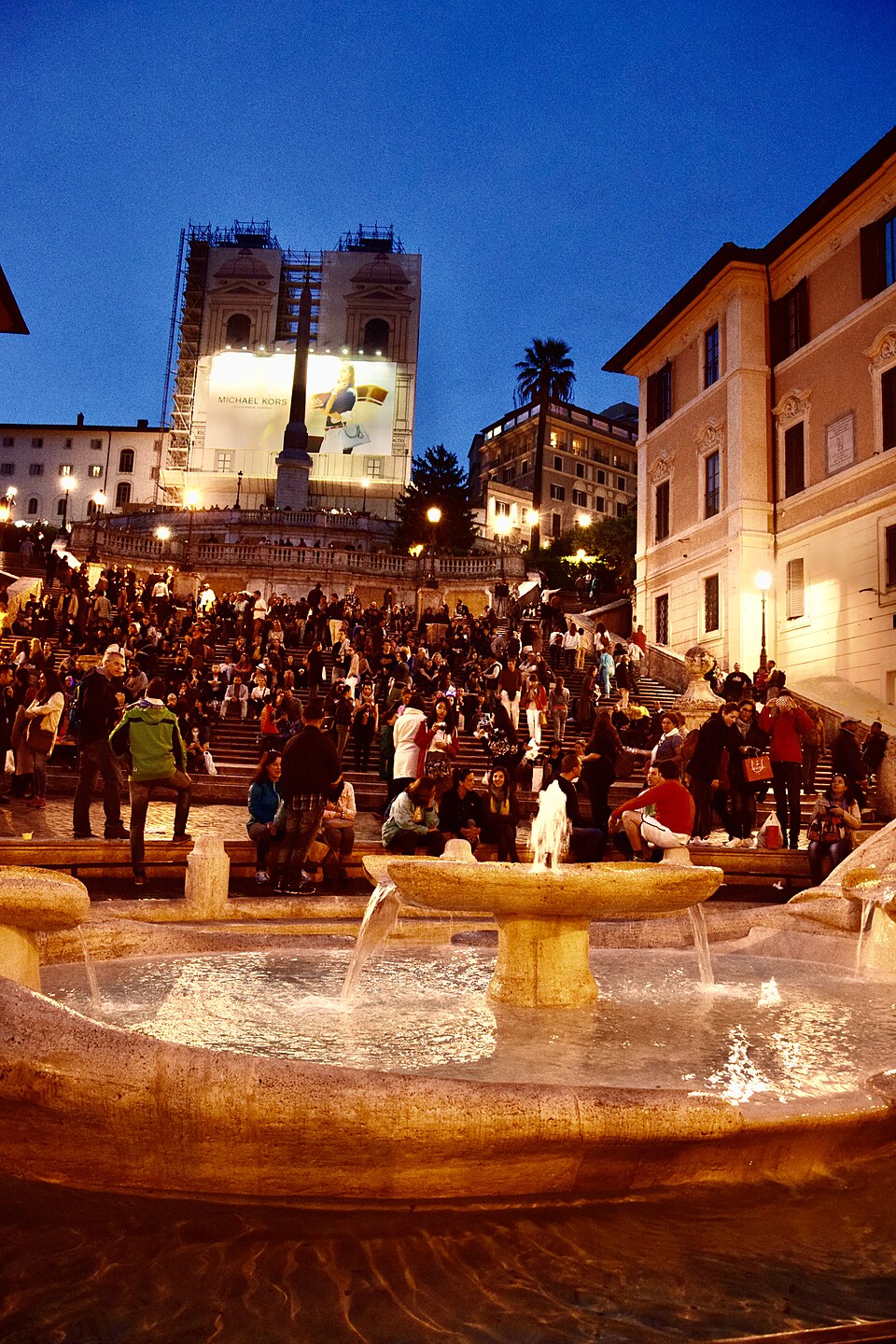
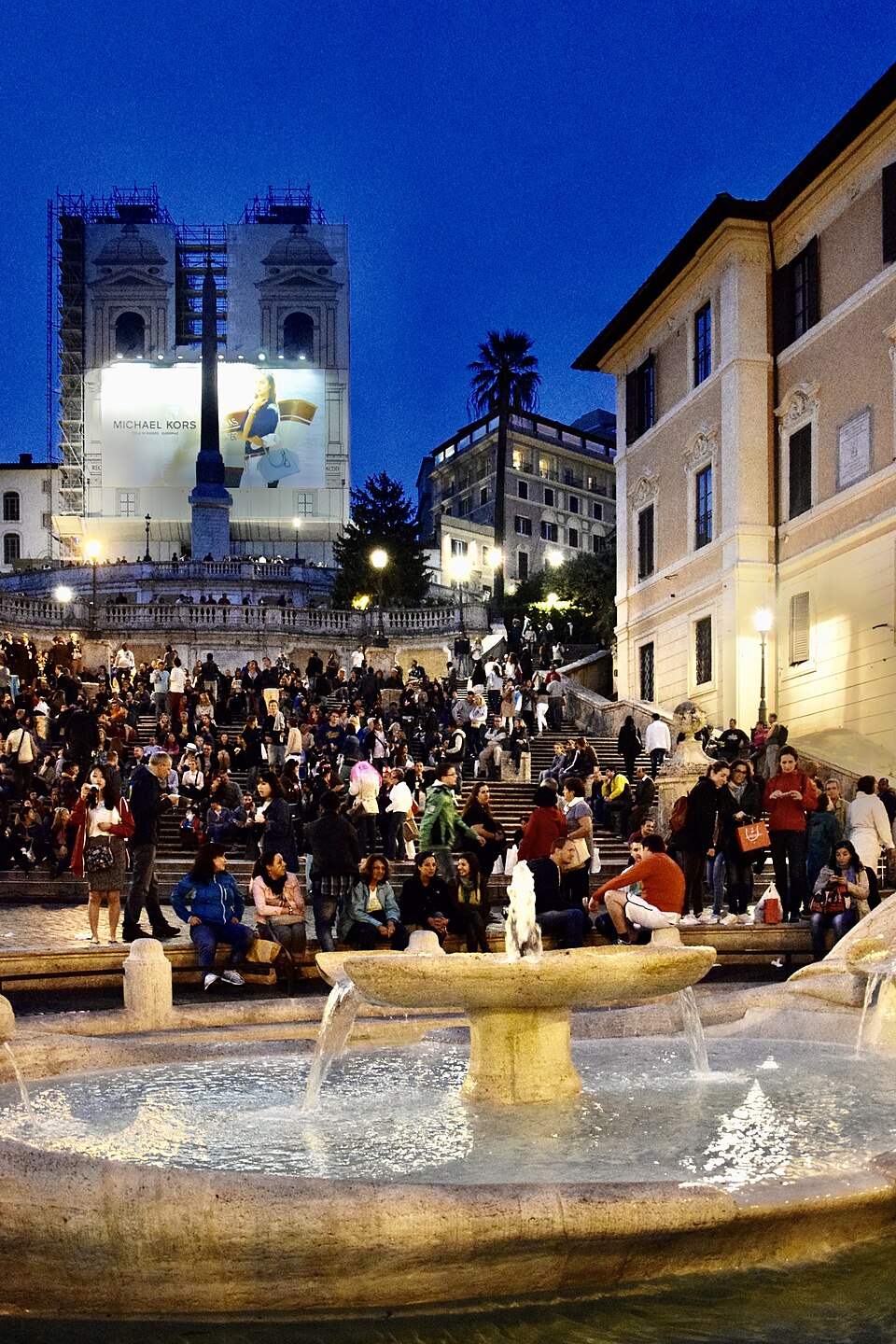
The staircase's Italian name, Scalinata di Trinità dei Monti, points to its real purpose: a proper, elegant fix for the steep, unstable slope that once linked the piazza below to the French church of Trinità dei Monti above. Oddly for such a quintessentially Roman postcard image, the money to build it came from France — a bequest left by the French diplomat Étienne Gueffier on his death in 1660, intended precisely to replace that dangerous path with stone steps. Politics and inheritance disputes delayed the project for decades, and it wasn't until 1723-1726, under architects Francesco de Sanctis and Alessandro Specchi and Pope Benedict XIII, that the 135-step staircase seen today was finally completed.
The piazza at the foot of the steps had already taken its own name a century earlier, from the nearby Palazzo di Spagna, seat of the Spanish embassy to the Holy See since the 17th century — so a French-funded staircase climbs from a square named for Spain up to a church that remains French to this day. At the bottom of it all sits the Fontana della Barcaccia, the "Fountain of the Ugly Boat," built decades before the steps themselves by Pietro Bernini, father of the more famous Gian Lorenzo. Its half-sunken boat shape was inspired, according to local tradition, by an actual boat that the catastrophic Tiber flood of 1598 is said to have swept up the hillside and left stranded on that very spot.
Did you know?
The reddish-pink house immediately to the right of the steps was, in 1821, the last home of the English poet John Keats, who died there of tuberculosis at just twenty-five, having moved to Rome hoping its warmer climate might save him. The rooms are preserved today as the Keats-Shelley House, a small museum dedicated to Keats and fellow Romantic writers. Keats himself is buried across the city in Rome's Protestant Cemetery, but it was here, within sight of the steps, that the final and most painful weeks of his life played out.
If your mental image of the Spanish Steps involves crowds lounging on sun-warmed travertine, it's out of date: since 2019, sitting on the steps has been banned outright, with fines that can run into the hundreds of euros for anyone caught. The rule came as a surprise to plenty of regular visitors, and even some Romans grumbled about it at the time, but it's strictly enforced today — a real, significant change from how the site could be used and enjoyed for centuries before it.
Good to know
Sitting, lying down, or eating on the steps is prohibited and actively policed, with officers on hand to blow a whistle at anyone who forgets — fines have been reported as high as a few hundred euros. Plan on admiring the view standing up, or find a café terrace nearby if you'd rather sit down for a while.
The steps themselves are free and open around the clock, but the surrounding streets — especially Via dei Condotti, running off Piazza di Spagna — form Rome's most prestigious shopping district, so the whole area is busy through the day and gets particularly crowded around sunset, when the golden light over the rooftops draws the biggest crowds of photographers.