
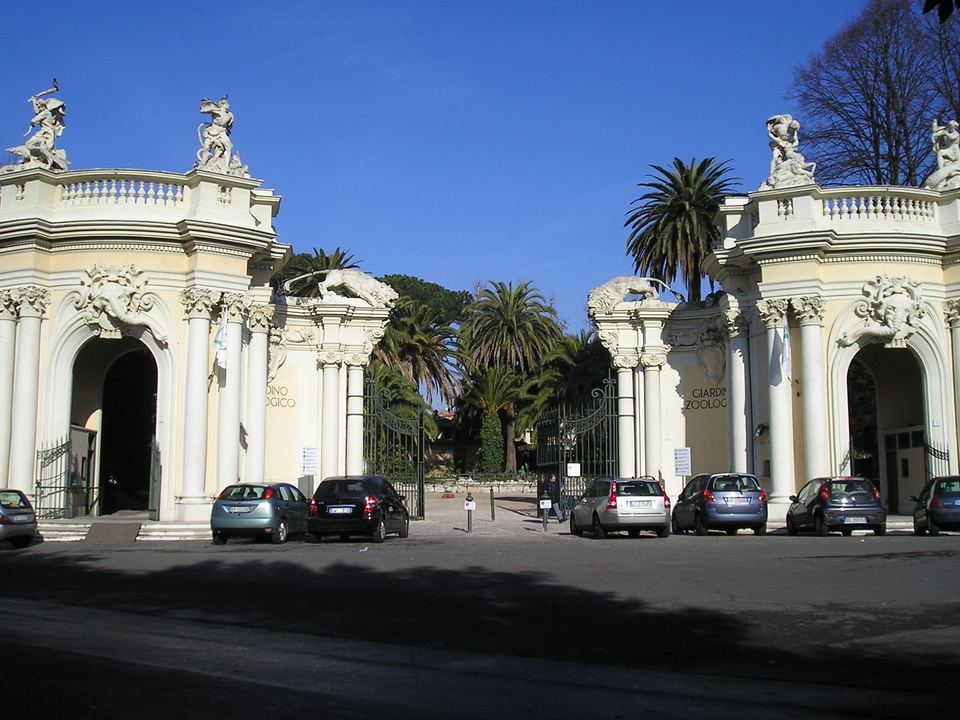
Bioparco di Roma (Rome Zoo)
- park
- family
- Price: €14 - €17
- Opening hours: 09:30 - 18:00
History
The zoo opened on 5 January 1911 as the Giardino Zoologico di Roma, a project first conceived a few years earlier in 1908, making it one of Europe's older public zoos. Its original 12-hectare layout followed the then-radical design principles of the German zoo pioneer Carl Hagenbeck, who had just opened his own zoo in Hamburg-Stellingen: instead of bars and cages, animals were kept in open enclosures separated by ditches and moats, giving visitors an unobstructed view and the animals considerably more room to move.
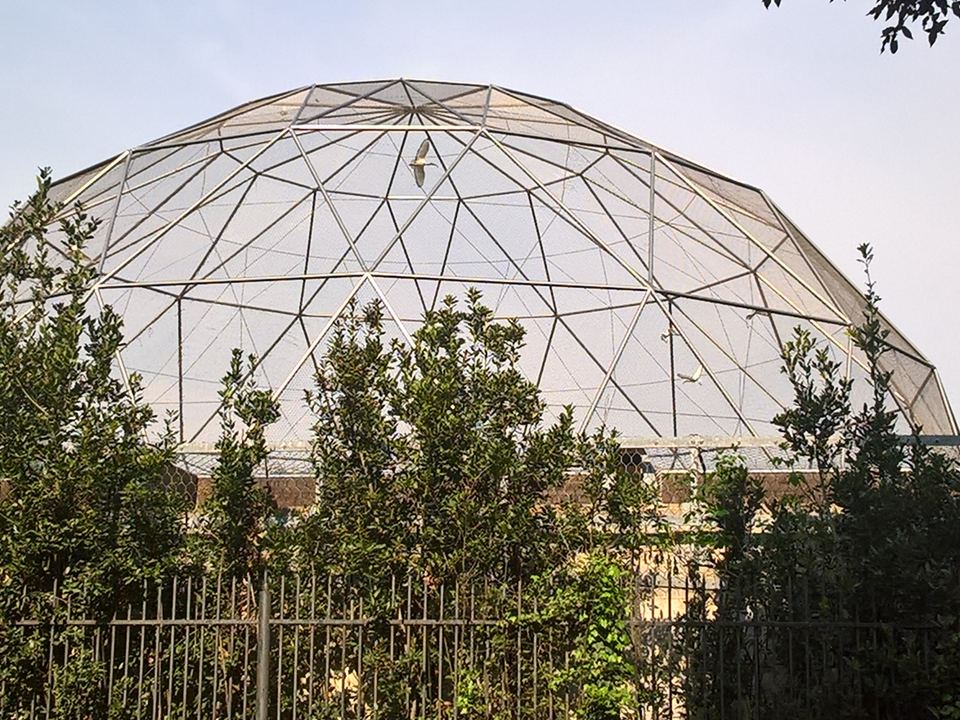
In 1935, architect Raffaele De Vico enlarged the grounds to roughly 17 hectares, adding a reptile house, a large walk-through aviary, and further landscaped enclosures. For decades afterwards it operated as a fairly conventional zoological garden, until growing scientific understanding of animal welfare and conservation, in the early 1990s, prompted a fundamental rethink of what the park was for.
Did you know?
The idea to reinvent the zoo took hold in 1994, and by 1998 the transformation into the "Bioparco" was complete — a change that went well beyond a new name. The park repositioned itself around conservation, scientific research, and environmental education rather than simple display, and in 2004 it became a foundation whose founding members include the City of Rome, several universities, and WWF Italia.
Bioparco is a member of the European Association of Zoos and Aquaria (EAZA) and has taken part in EAZA's public conservation campaigns since 2000. It also participates in EAZA's Ex-situ Programmes, cooperative European breeding plans that pool genetics across dozens of zoos to keep endangered species viable over the long term — among them the Amur leopard and the Sumatran tiger, two of the park's most closely watched residents.
Good to know
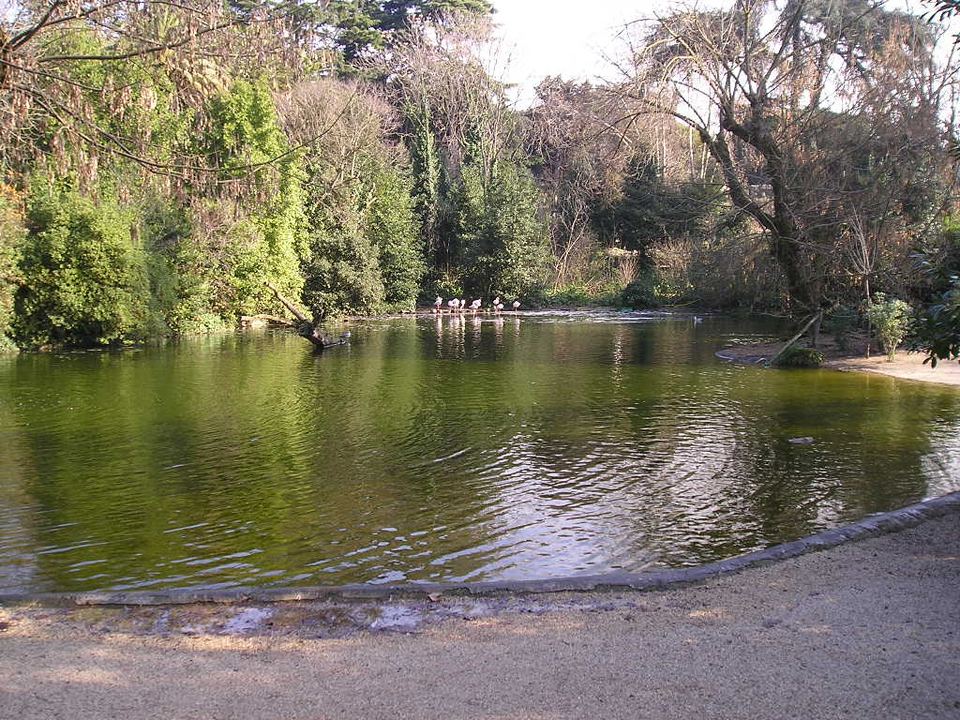
The Bioparco makes for an easy half-day out with children, with shaded paths, a playground, and picnic areas scattered through the grounds — pace yourself, since the park itself covers a fair amount of ground and little legs tire faster than adults expect. It sits inside Villa Borghese, so it combines naturally with a stroll through the wider gardens, and with a visit to the Galleria Borghese nearby, though that gallery requires a separate, advance timed-entry booking.
Because the zoo is tucked inside a large park, budget extra walking time to and from the nearest entrances, gates, or tram stops on top of the visit itself. Opening hours shift with the seasons, running later into the evening in summer, so it's worth checking the current schedule before you set off rather than assuming a fixed closing time.